Emergency Dentist Help for Throbbing Tooth Pain at Night

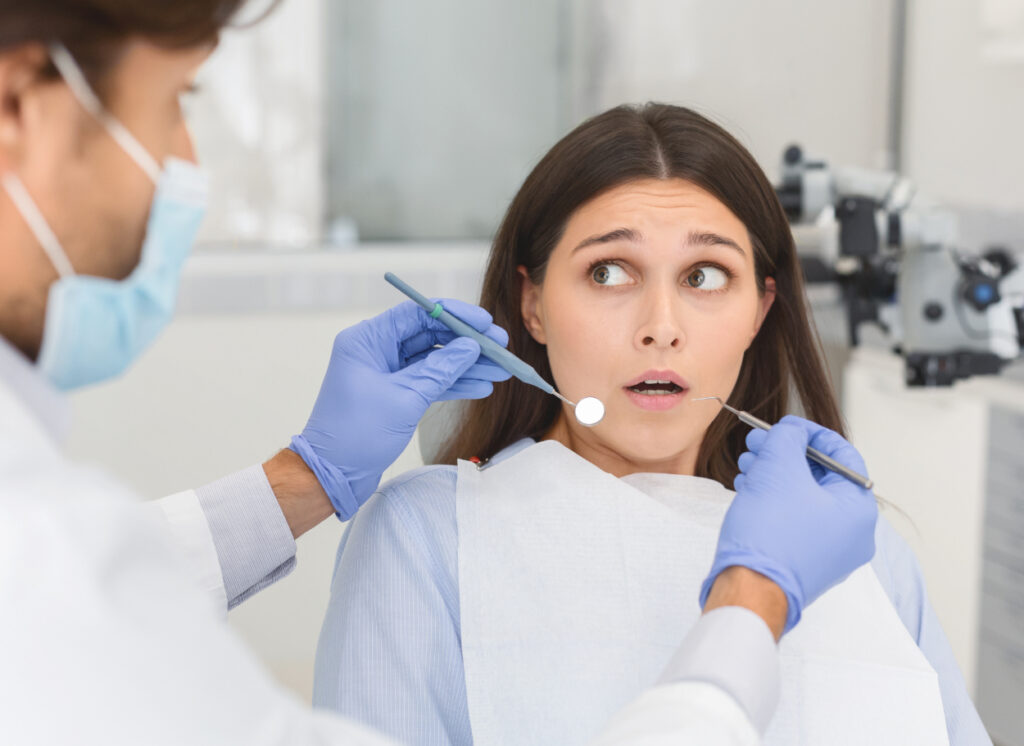
Few kinds of pain feel as relentless as a tooth that starts throbbing after dark. During the day, people can distract themselves, call a dental office, drive somewhere, or at least keep moving. At night, everything narrows. The house gets quiet, the pulse in your jaw seems louder, and every minute feels longer than it should. That is usually the moment people start searching for an Emergency Dentist, not because they overreacted, but because night tooth pain has a way of exposing problems that can no longer be managed with wishful thinking.
I have seen this pattern often. Someone notices a little cold sensitivity for a week or two, then chews on the other side, then tells themselves they will “keep an eye on it.” Later, around 11 p.m., the ache turns sharp, then deep, then pounding. They pace the kitchen. They try clove oil, ice, saltwater, internet remedies, and every odd suggestion a relative once mentioned. Sometimes the pain fades by morning, which only delays treatment. Sometimes it worsens so quickly that sleep becomes impossible.
Nighttime dental pain deserves a level-headed response. Not every toothache means a life-threatening emergency, but some absolutely require urgent care. The challenge is figuring out the difference while you are tired, hurting, and probably frustrated. It helps to understand why throbbing pain often gets worse at night, what you can safely do in the short term, and when an Emergency Dentist should move from “maybe tomorrow” to “right now.”
Why throbbing pain often feels worse after dark
A throbbing tooth rarely starts throbbing for no reason. In many cases, the source is inflammation inside the tooth, infection around the root, pressure from swelling, a cracked tooth, or an irritated nerve. Those problems can exist quietly for a while, then flare.
At night, several factors can make the pain feel more intense. When you lie down, blood flow to the head can increase slightly, and that extra pressure can aggravate inflamed tissues in the mouth. There is also less external distraction. During the day, your brain is splitting attention across work, errands, noise, movement, and conversation. At midnight, your body notices every pulse.
Temperature can play a role too. Some people sip hot tea, take a warm shower, or curl under blankets, and heat can intensify symptoms in an already inflamed tooth. Jaw clenching is another common issue. Many people grind or clench in their sleep, especially under stress, and that pressure can turn a manageable ache into a severe one.
The quality of the pain matters. A brief zing when drinking ice water points in a different direction than a heavy, rhythmic, “heartbeat in the tooth” sensation that lingers. Throbbing pain often suggests active inflammation or infection, though gum problems, impacted food, sinus pressure, and cracked teeth can also mimic one another. That is why a proper diagnosis matters. Tooth pain is famous for being misleading. A lower molar can make an ear hurt. A sinus issue can masquerade as upper tooth pain. A cracked filling can create pain that seems to move around.
The common causes behind severe nighttime tooth pain
The most frequent culprit is deep decay that has reached or irritated the pulp, the soft tissue inside the tooth where the nerve and blood vessels live. Once bacteria get close enough to that tissue, inflammation can build pressure within a very small space. That is a recipe for intense pain.
An abscess is another possibility. This is an infection, often near the root of the tooth or in the surrounding gum tissue. People sometimes imagine an abscess as obvious swelling with dramatic facial distortion, but it can start more subtly. The earliest signs may be throbbing, tenderness to biting, a bad taste in the mouth if drainage begins, or a gum bump near the painful tooth.
Cracks also deserve attention. A small crack may not be visible without magnification or X-rays, and the symptoms can be inconsistent. Some patients report sharp pain when releasing pressure after biting. Others describe heat sensitivity that lingers. At night, clenching can stress the crack and inflame the tooth further.
Lost fillings, loose crowns, exposed roots, aggressive gum recession, and trapped debris between teeth can also trigger significant discomfort. So can erupting wisdom teeth, especially when surrounding gum tissue becomes inflamed or infected. A person may swear the pain is “inside” one tooth when the actual problem is a swollen flap of gum around a partially erupted molar.
Then there are the non-dental lookalikes. Sinus congestion can create pressure in upper back teeth. Temporomandibular joint strain can refer pain into the jaw and teeth. Nerve pain can be strange and severe. That said, a true throbbing toothache, especially one that wakes you up, deserves dental evaluation unless it clearly settles and has an obvious benign explanation.
When an Emergency Dentist is the right call
Many dental offices reserve same-day openings for urgent care, and after-hours https://jaidengaot223.brightsora.com/posts/emergency-dentist-care-for-pain-under-a-crown-2 answering systems often direct patients to emergency instructions. That is useful, because some symptoms should not wait several days.
The strongest signals for urgent or immediate attention are these:
- Swelling in the face, gum, or jaw, especially if it is increasing.
- Fever, chills, or a generally unwell feeling along with tooth pain.
- Trouble swallowing, trouble breathing, or difficulty opening the mouth normally.
- A bad taste or pus-like drainage near the tooth, especially with throbbing pain.
- Pain after trauma, or a tooth that is broken, displaced, or knocked loose.
Those signs raise concern for infection or structural damage that needs prompt professional treatment. Facial swelling is not something to watch casually overnight if it is spreading. Difficulty swallowing or breathing moves beyond a dental inconvenience and into a medical emergency.
Even without those red flags, severe pain that keeps you from sleeping, eating, or functioning warrants an urgent dental appointment. People sometimes hesitate because they think an Emergency Dentist is only for dramatic accidents. In reality, uncontrolled dental pain is a legitimate reason to seek urgent care. A dentist may not be able to complete every final procedure in the middle of the night, depending on the setting, but they can often diagnose the issue, control pain, start appropriate treatment, drain infection when indicated, or stabilize the tooth until definitive care is done.
What you can do safely at home while you wait
Home care is a bridge, not a substitute for treatment. The goal is to lower irritation and buy time until a dentist can examine the problem. Some methods help. Others waste time or make things worse.
Start with gentle cleaning. Rinse with warm saltwater, not scalding water, and floss carefully around the area. More than once, I have seen what looked like “sudden unbearable tooth pain” turn out to be a popcorn hull or meat fiber wedged deeply at the gumline. If flossing relieves the pressure, that is useful information, though lingering pain still deserves follow-up if it continues.
If the tooth is sensitive to cold or air because a filling came out, temporary dental cement from a pharmacy can sometimes protect the area for a short period. It is not elegant, but it can reduce exposure enough to make the night manageable. Read the label carefully and avoid improvising with household glue, aspirin pressed into the gum, or any caustic home remedy. Aspirin belongs swallowed as directed, not burned into soft tissue. I still see chemical burns in mouths from that old myth.
Over-the-counter pain relief can help many adults, provided they can take those medications safely based on their medical history, allergies, stomach health, kidney function, and any blood-thinner use. Follow the package instructions unless a clinician has already given you a different plan. If you are unsure, call a pharmacist, urgent care line, or dental office for guidance. People often get into trouble not because the medication failed, but because they combined products carelessly or exceeded the recommended amount out of desperation.
Cold can help when swelling is part of the picture. A wrapped ice pack or cold compress held against the cheek in short intervals may reduce discomfort. Heat is usually less helpful for throbbing dental pain and can intensify the sensation for some people.
Try to keep your head elevated rather than lying flat. Even an extra pillow can make a difference. Avoid chewing on the painful side and skip very hot, very cold, very sweet, or hard foods. If a cracked tooth is involved, something as simple as a crunchy snack can turn a bad night into a much worse one.
Here is a practical short-term checklist that tends to help more than internet folklore:
- Rinse gently with warm saltwater and floss the area.
- Use over-the-counter pain medicine only as directed and only if safe for you.
- Apply a cold compress to the cheek if there is swelling or heat in the area.
- Keep your head elevated and avoid lying completely flat.
- Call an Emergency Dentist or after-hours dental line if pain is severe or worsening.
That may sound basic, but in real life, simple measures done correctly usually outperform dramatic home hacks.
What not to do in the middle of the night
People in severe pain make understandable mistakes. They hold alcohol in the mouth, place crushed aspirin on the gum, jab at the area with sharp objects, or keep taking more medication because “the first dose didn’t touch it.” None of that solves the underlying issue, and some of it creates a second problem.
One patient I remember had a cracked molar and chemical burns on the surrounding gum from a topical remedy used too often. The crack hurt, but the burned tissue made everything feel worse and complicated the exam. Another had packed a lost crown with a mint candy because it “fit the space.” It did not improve the night.
If swelling is progressing, do not wait just to see whether it breaks or drains on its own. Dental infections can sometimes spread into deeper spaces of the face and jaw. Most do not become dangerous overnight, but enough do that it is unwise to gamble, especially if you also feel feverish, weak, or chilled.
What an Emergency Dentist may do when you arrive
People often assume the visit will end with “take antibiotics and call us next week.” Sometimes antibiotics are appropriate, but they are not the universal answer, and on their own they do not fix many dental problems. If the pain comes from inflamed pulp inside a tooth without spreading infection, antibiotics may not help much at all. The key is diagnosis and source control.
An emergency dental visit usually begins with a focused history. Expect questions about when the pain started, what triggers it, whether it lingers after hot or cold, whether biting makes it worse, and whether swelling, trauma, or a lost restoration is involved. X-rays are often needed. A clinician may also test the tooth with cold, tapping, or bite pressure to narrow the cause.
Treatment depends on the diagnosis. If a cavity has reached the nerve and the tooth is still restorable, the dentist may recommend root canal treatment, either immediately or very soon. In some urgent settings, opening the tooth to relieve pressure can make a dramatic difference. If the tooth cannot be saved, extraction may be the better path. If a crown has fallen off but the tooth underneath is healthy enough, recementing or placing a temporary restoration may settle things quickly.
For an abscess, the plan may include drainage, treatment of the tooth itself, and antibiotics when the infection is spreading or accompanied by swelling, fever, or systemic symptoms. For a cracked tooth, the dentist may place a temporary protective measure and advise a crown, root canal, or extraction depending on how deep the crack goes. There is a lot of judgment in these decisions. The right answer is not always the most aggressive one, but it also should not be a half-measure that leaves you back in pain forty-eight hours later.
Why antibiotics are sometimes necessary, and sometimes not
This is one of the most misunderstood parts of emergency dental care. Patients often arrive hoping for “something strong” to get through the weekend. If there is a spreading bacterial infection, antibiotics can be important. If there is swelling, fever, enlarged tender lymph nodes, or drainage, they are more likely to be part of the plan.
But a toothache caused by inflamed nerve tissue inside a sealed chamber may not respond well to antibiotics at all. That pain often needs direct treatment of the tooth, such as root canal therapy or extraction. Antibiotics without dental treatment can temporarily blur symptoms while the underlying disease keeps moving.
That distinction matters because unnecessary antibiotics bring downsides, including stomach upset, allergic reactions, and contribution to resistance. A careful Emergency Dentist will prescribe them when the clinical picture supports it, not simply because the pain is intense.
Children, pregnancy, and other situations that need extra care
Nighttime dental pain in children can escalate fast because young patients often cannot describe what they feel with much precision. They may point to the wrong side, complain of ear pain, or simply wake and cry. Swelling in a child’s face, refusal to drink, fever, or trouble sleeping from dental pain should prompt a call for urgent advice. Dosing for pain medicine in children must be exact and based on the product label and the child’s weight or the pediatrician’s guidance.
Pregnancy changes the equation only in the sense that people are often cautious, sometimes overly cautious, about seeking treatment. Dental infections and severe pain are not things to ignore during pregnancy. Dentists routinely treat pregnant patients and can choose appropriate imaging precautions, medications, and timing. The bigger risk is usually leaving an active dental problem untreated until it becomes more serious.
People with diabetes, weakened immune systems, recent major surgery, or conditions affecting bleeding or healing should also take dental infections seriously. What starts as a localized problem can become more complicated in these settings.
How to judge whether you can wait until morning
There is no perfect home test, but there is a practical way to think about it. If the pain is unpleasant yet controllable, there is no swelling, no fever, no trauma, and the symptoms improve with simple measures, you can often contact your regular dentist first thing in the morning. If the pain is escalating, sleep is impossible, the face looks puffy, the gum feels swollen, swallowing is uncomfortable, or you feel ill, the threshold for urgent care drops fast.
A useful rule from experience is this: pain that is merely annoying can sometimes wait; pain that dominates your attention hour after hour often cannot. The body is usually telling you something important by that point.
The cost question people worry about, often in silence
Dental emergencies cause a second kind of stress, financial stress. Patients sometimes delay calling because they fear the bill more than the pain, at least until the pain wins. It helps to know that many offices can give a rough range for an emergency exam, X-rays, and common immediate treatments. Some offer payment options. Hospital emergency rooms, by contrast, can be much more expensive and often cannot provide definitive dental treatment unless there is a broader medical emergency.
That does not mean cost never matters. It does. But waiting can make the final treatment more extensive. A small crack that might have been protected early can progress. A cavity that might have been restored can become a root canal or extraction case. An abscess left to develop may require more intervention than it would have a few days earlier. This is one of those areas where delay can genuinely cost more, not just in money but in comfort and treatment choices.
Preventing the next midnight toothache
Most nighttime dental emergencies do not come out of nowhere. They usually leave clues. Sensitivity that lingers after cold drinks, occasional discomfort when chewing, a filling that feels rough, bleeding gums around one tooth, a crown that shifts slightly, food trapping in the same spot every day, these are all the kind of small warnings that deserve attention before they become 2 a.m. Problems.
Regular dental visits help, but day-to-day habits matter just as much. Nightguards for clenching, prompt repair of broken fillings, careful brushing along the gumline, flossing where food repeatedly catches, and not postponing evaluation of “on and off” pain can spare a lot of misery. One of the more frustrating patterns in practice is seeing a preventable problem become an emergency simply because the original symptom was painless for too long.
If you are prone to dental anxiety, plan ahead while you are calm rather than scrambling while you are in pain. Keep the number of a trusted Emergency Dentist saved in your phone. Know which local office offers after-hours guidance. Have a basic dental first-aid kit at home with floss, temporary dental cement, gauze, and a cold pack. None of that prevents decay or cracks, but it shortens the distance between pain and action.
When sleep is impossible, trust the signal
A throbbing tooth at night is more than a nuisance. It is often the body’s blunt way of announcing that a tooth, gum, or surrounding structure needs prompt attention. Sometimes the answer is simple. Sometimes it is a root canal, extraction, drainage, or repair. What matters most is not guessing correctly from the couch, but recognizing when home care has reached its limit.
If the pain is pounding, persistent, or accompanied by swelling, fever, drainage, or trauma, seek help from an Emergency Dentist without trying to tough it out. A difficult night can become a much bigger problem by morning. Just as important, the right treatment can turn a long, miserable stretch of hours into a manageable situation much faster than most people expect once the true source is identified.
Simple Dental South Gate
Address: 8617 California Ave, South Gate, CA 90280
Phone number: +13236896118
FAQ About Emergency Dentist Southgate CA
What can the ER do for a tooth?
The emergency room can provide temporary symptom relief for a bad tooth, such as prescribing pain medicine or antibiotics, but it cannot fix the actual dental problem.
What is the 3-3-3 rule for tooth infection?
The 3-3-3 rule for a toothache or infection typically means taking three 200 mg ibuprofen tablets (600 mg total) three times a day for no more than three days to control pain and swelling while waiting to see a dentist.
What do you do if you have a dental emergency but no dentist?
If you have a dental emergency and no regular dentist, you should search for an urgent care dental clinic, call local walk-in dental offices, or go to a hospital emergency room if you have severe bleeding, swelling, or trouble breathing.